

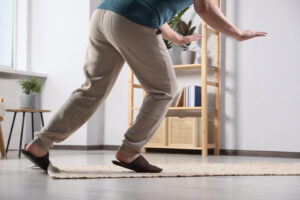
Elder care helps create a safer home by reducing everyday fall risks.
Most falls happen at home, and they are the most common cause of injury for people over 65. A slippery bathroom floor, a loose rug, or a poorly lit hallway can all become hazards in seconds. The good news is that most falls can be stopped with the right guidance. Elder care providers are trained to offer fall-proofing advice that helps seniors and their families spot risks and address them before an accident happens.
The Value of a Trained Set of Eyes
Family members often walk through a loved one’s home without seeing dangers. This isn’t because they aren’t paying attention; it’s because they know the place so well that they don’t see them. An experienced elder care provider has an objective, trained perspective. They can do informal or formal fall-risk assessments during home visits, looking for things like cluttered pathways, unsecured area rugs, or furniture that seniors are using to steady themselves in each room.
Ultimately, providers strive to see the home the same way the senior does: they go through it over and over again, noticing which doorway always requires a grab or which chair has become a crutch.
Room-by-Room Recommendations
Elder care providers also offer suggestions tailored to the senior’s unique lifestyle and layout. Some common areas of focus are:
- The Bathroom: According to statistics, this area is the most dangerous room in the house for older people. Providers often suggest installing grab bars near the toilet and in the shower, as well as non-slip mats, a shower bench, and a handheld showerhead.
- Hallways and Staircases: Lighting is often overlooked in these areas, which can quickly become a safety risk in the older years. Professional elder care providers may suggest motion-activated nightlights to help with this issue and even point out stairs with worn treads or handrails that have come loose from the wall.
- The Living Room and Bedroom: These are the places where seniors spend most of their time. With that in mind, it’s important to secure throw rugs or remove them from the space, make sure there are clear pathways, and assess if furniture is the right height for easier transitions.
More Than Just the Physical Space
Beyond recommending modifications to the physical space, elder care providers also notice changes in a senior’s gait, balance, or confidence that could increase the senior’s risk of falling. When these things are noticed, they can relay their concerns to family members and the healthcare team to make sure the senior gets the right assistance.
Professional caregivers also encourage seniors to remain active throughout the day, whether it is suggesting a walk around the neighborhood, finding a chair yoga class they can attend within the community, or teaching them how to incorporate gentle stretching exercises into their everyday routine.
In the end, it takes a group effort to create a fall-proof home. Family members and seniors alike can work with elder care providers to spot risks, make modifications, and ensure safety moving forward. As a result, the senior can feel comfortable moving about their space, and their loved ones gain valuable peace of mind.
If you or an aging loved one is considering Elder Care in Alhambra, CA, please contact the caring staff at Nu Care Inc. today. 800-505-6890
Sources: